Gutter Cleaning Hackettstown Services That Keep Water Away From Your Home

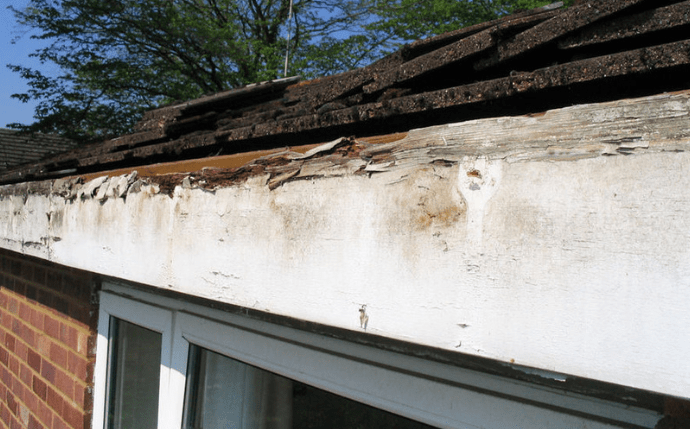
Water almost always wins when a home owner underestimates it. It slips behind fascia boards, pools near foundations, stains siding, loosens shingles, and finds the smallest weakness in wood trim. Gutters exist to control that movement, but they only work when they are clear, pitched correctly, and able to carry runoff away from the house without overflowing. That is where professional Gutter Cleaning Hackettstown services earn their value.
Hackettstown homes deal with a little bit of everything. Mature trees drop leaves, seeds, and twigs into troughs and downspouts. Heavy summer downpours test drainage capacity in a hurry. Winter ice can turn a minor clog into a damaging backup. Spring reveals what fall and winter left behind. A gutter system that looked fine from the driveway can be packed solid in the valleys, clogged at the outlets, or pulling away from the roofline one spike at a time.
Most people do not think much about gutters until they see water sheeting off the edge during a storm. By then, the signs have often been there for months. Professional service is not just about scooping debris. It is about protecting the envelope of the house, preserving drainage patterns around the foundation, and catching small failures before they become expensive repairs.
Why gutters matter more than they seem
A gutter system does one simple job with serious consequences. It intercepts roof runoff and moves it to a safe discharge point. When that flow is interrupted, water spills where it should not. Sometimes the result is obvious, like a waterfall over the front entry. Sometimes it is subtle, like damp soil that stays wet near a corner of the basement wall.
On a typical rain event, a roof can shed a surprising volume of water. Even a moderate storm can dump hundreds of gallons across a residential roof area. If that water lands next to the house instead of moving through the gutter and downspout system, the ground becomes saturated quickly. Over time, that repeated soaking can settle mulch beds, wash out landscaping, and increase hydrostatic pressure against foundation walls.
There is also the issue of wood rot and finish damage. Overflowing gutters soak fascia, soffit edges, and trim boards. Paint begins to peel. Caulk joints fail. In older homes, especially those with original wood details, that kind of moisture exposure leads to repair work that costs far more than routine maintenance ever would.
In Hackettstown, where many neighborhoods have large shade trees and seasonal weather swings, gutter neglect tends to show up fast. One autumn of leaf buildup can restrict flow enough to create winter icing. One winter of ice and trapped debris can loosen hangers or distort sections. One spring thunderstorm can expose all of it at once.
What professional gutter cleaning actually includes
People often picture gutter cleaning as a ladder, a bucket, and a gloved hand pulling out muck. That is part of it, but a thorough service goes beyond basic debris removal. A good crew evaluates how the whole system is functioning while they work.
First, the obvious material comes out. Leaves, roof grit, pine needles, seed pods, and compacted sludge are removed from the troughs. Areas near valleys usually need extra attention because they collect the heaviest runoff and the most debris. Then the downspouts are checked and flushed. A gutter that looks clean from above can still fail if the outlet or elbow is blocked.
Next comes flow testing. Water should move toward the outlets without ponding in long sections. Small standing areas may indicate improper pitch, a sagging span, or a hanger issue. Cleaning alone will not fix that. A service technician with experience notices these details and can tell the difference between a harmless low spot and a structural problem that needs correction.
Finally, there is a visual inspection. The best Gutter Cleaning Hackettstown providers look at the brackets, seams, end caps, corners, and points where water may be escaping. They may also flag signs of roof runoff overshooting the gutter, splashback staining on siding, or extensions that discharge too close to the foundation.
That broader view is what separates maintenance from a quick cleanup. Anyone can remove leaves. Not everyone spots the joint that is just starting to separate or the downspout that is feeding water straight into a basement trouble area.
The warning signs home owners should not ignore
Some gutter problems announce themselves loudly. Others stay quiet until the damage spreads. It helps to know what to watch for before a small maintenance issue turns into a repair job.
Here are some of the most common signs that service is overdue:
- Water spilling over the gutter edge during rain
- Plants or weeds growing from the gutter trough
- Dark streaks on siding beneath the gutter line
- Sagging sections or visible separation from the fascia
- Puddling near the foundation after storms
Overflow is the clearest red flag, but it is not the only one. A gutter can be partially clogged and still drain just enough to avoid dramatic spillover in light rain. During a hard storm, that same partial blockage becomes a problem. Staining on siding often points to repeat overflow. So does erosion in flower beds directly below roof edges.
Sagging deserves quick attention. Water is heavy, and trapped debris holds moisture for long periods. A long run filled with wet leaves and sludge can put significant strain on hangers and fasteners. Once the pitch changes, water slows down, debris settles more easily, and the problem accelerates.
Then there is what happens below grade. If you notice one area of the yard staying soft or muddy, especially near a downspout exit, that may indicate poor discharge or a clog causing overflow upstream. Many drainage complaints around homes start above the ground, not below it.
Why Hackettstown properties need seasonal attention
Local conditions shape maintenance schedules. In Hackettstown, tree cover is one of the biggest factors. Homes tucked under maples, oaks, or pines collect debris at a much faster rate than open lots. Even houses with gutter guards are not immune. Guards reduce the volume of large debris entering the trough, but they do not stop roof granules, small seeds, shingle grit, or the fine organic matter that forms clogs over time.
Fall is the season most people think about, and for good reason. Leaves can fill entire runs in a matter of weeks. But spring often reveals the more serious issues. Winter freeze and thaw cycles can compact old debris, stress seams, and create ice-related wear. Once spring rains arrive, weak spots show themselves.
Summer brings a different test. Short, intense downpours can overwhelm any section that has poor pitch or a slow outlet. If the system cannot move water fast enough, overflow occurs even when the gutter is not packed full. That is why cleaning without inspection can miss underlying performance issues.
A practical maintenance rhythm for many homes in the area is once in late spring and once in late fall. Properties with dense tree coverage may need additional attention, especially if pine needles, helicopters, or acorns are a constant issue. A house with minimal overhang cover and no nearby trees may need less frequent service, but it still benefits from periodic checks after major storms.
The difference between a basic cleaning and a careful service visit
Not every service call delivers the same value. Some crews move quickly, clear the visible debris, and head out. Others treat the gutter system as part of the larger drainage plan for the property. The second approach is where home owners see better long-term outcomes.
A careful service visit usually includes a few key habits. The crew protects landscaping as they work. Debris is bagged or removed rather than dropped carelessly around beds and walkways. Downspouts are tested, not just assumed clear. Problem areas are photographed or explained. If a section is loose, leaking, or improperly sloped, the home owner hears about it.
That level of detail matters because gutters fail in predictable places. Corners can separate. Outlets clog with compacted sludge. Spikes can back out on older systems. Extensions can disconnect after mowing or yard work. A homeowner may never notice these issues from the ground, especially on a two story section of the home.
I have seen situations where a home owner was certain the basement problem was caused by grading alone. The real culprit turned out to be a clogged upper gutter that overflowed at one corner every time it rained hard. All that water landed in the same ten square feet beside the foundation. Once the gutter was cleaned, the downspout flushed, and the extension corrected, the “grading issue” became far less dramatic.
That is the kind of real-world trade-off people miss. Drainage solutions at ground level matter, but they cannot fully compensate for roof water that is being dumped in the wrong place.
DIY cleaning versus hiring a professional
There is nothing inherently wrong with handling your own gutters if the house is low, conditions are safe, and you understand what you are looking at. A ranch home with easy ladder access is one thing. A two story house with steep grades, landscaping obstacles, and high roof sections is another.
The safety issue is obvious, but there is also a performance issue. Many do-it-yourself cleanings stop after the troughs are emptied. The downspouts do not get fully tested. Hidden clogs remain in elbows. Minor pitch problems go unnoticed. A seam leak is mistaken for harmless staining. Months later, the same home owner wonders why the front step keeps icing over or why mulch keeps washing out below a particular run.
Professional crews bring more than labor. They bring pattern recognition. They have seen what a failing outlet looks like before it splits. They know when water marks suggest a loose gutter apron or an overshoot problem from roof runoff. They can spot the difference between normal wear and a system that is beginning to detach.
That said, hiring a service does not mean every problem disappears automatically. If the gutter is undersized for the roof area, or if the downspout layout is inadequate, cleaning improves function but does not rewrite the design. Good service providers are honest about that. They do not pretend that debris removal will cure structural or capacity issues.
What happens when cleaning gets postponed too long
Deferred maintenance has a way of multiplying costs. A clogged gutter starts as a simple service call. Left alone, it can contribute to fascia rot, soffit staining, ice buildup, landscape erosion, and foundation moisture. Each issue by itself may not seem urgent. Together, they become a chain of avoidable repairs.
One of the most expensive side effects is hidden wood damage. Water spilling behind the gutter can soak the fascia board slowly over time. From the ground, the gutter line may still look intact. Up close, the wood can be soft, split, or beginning to delaminate. Once rot spreads, rehanging the gutter securely becomes harder because the underlying substrate is compromised.
Another common problem is pest activity. Wet debris in gutters attracts insects, and standing water can support mosquito breeding under the right conditions. Birds sometimes pull nesting material from clogged troughs or try to nest in protected corners. None of that helps drainage, and all of it adds to maintenance headaches.
Winter creates its own version of the problem. Debris that traps water contributes to ice formation. Ice adds weight, and weight stresses fasteners. Even if the gutter survives the season, spring often reveals loosened sections and small leaks at seams or joints. The home owner may think, understandably, that winter caused the damage. In many cases, the real story began with a neglected cleaning schedule months earlier.
Questions worth asking before you schedule service
Choosing a provider should https://cruzsmbp091.evergrovio.com/posts/how-gutter-cleaning-in-hackettstown-helps-prevent-roof-problems not feel complicated, but a little scrutiny helps. You want a company that treats gutter cleaning as home protection, not just a quick stop on the route. Asking the right questions usually reveals who takes the work seriously.
Consider asking these before booking:
- Do you flush and test downspouts as part of the service?
- Will you note minor repairs or drainage issues you observe?
- How is debris handled and removed from the property?
- Are you comfortable servicing the height and layout of my home?
- Do you recommend a schedule based on tree coverage and roof design?
These questions do two things. They clarify the scope of work, and they show whether the provider thinks in terms of system performance. A thoughtful answer is often more valuable than the lowest quote.
Pricing can vary based on home height, linear footage, roof complexity, access, and debris volume. A heavily wooded property with second story runs and multiple downspouts will naturally cost more than a single story home with minimal buildup. That is normal. The better comparison is not the cheapest number. It is what is actually included and whether the service addresses the conditions that put your house at risk.
Gutter guards are helpful, but not a free pass
Many home owners install guards and assume the maintenance problem is solved for good. Guards can absolutely reduce the amount of large debris entering the system, and in the right setting they are useful. But they are not magic.
Fine material still gets in. Roof granules still wash down. Seeds, needles, and sludge can accumulate over time. Some guard designs also make it harder to see what is happening underneath until performance drops. In certain tree environments, surface-tension style covers can struggle during heavy runoff or become less effective when debris mats over the top.
That does not make guards a bad choice. It means expectations should be realistic. They can reduce cleaning frequency, not eliminate inspection and maintenance. A guarded system still needs occasional evaluation, especially after storms or in neighborhoods with heavy leaf fall.
The same practical mindset applies to extensions and underground drains. These components help move water away from the home, but they can clog or disconnect too. If a downspout disappears underground, it is even more important that someone verifies proper flow instead of assuming everything is fine because the entry point looks clean.
How clean gutters protect more than just the roofline
Most people associate gutters with the roof edge, but the benefits reach far beyond that narrow strip of metal. Controlled runoff protects siding, trim, windows, entryways, walkways, landscaping, and the soil around the foundation. It also reduces the chance of slippery conditions where overflow or bad discharge creates algae, mud, or recurring ice.
For finished basements or crawl spaces, this matters even more. Water management is cumulative. No single upgrade guarantees a dry lower level if roof runoff is being mishandled. Gutters, downspouts, grading, and drainage all work together. When one part fails, the rest have to compensate.
There is a curb appeal angle too, though it should not be the main reason for service. Clean, functioning gutters simply make a home look cared for. Overflow stains, streaked siding, and sagging runs suggest neglect even when the rest of the property is in good condition. For owners preparing to sell, that visual impression matters. Buyers notice signs of water problems quickly, and inspectors certainly do.
A sensible plan for Hackettstown home owners
For most properties, the smartest approach is simple. Treat gutter cleaning as preventive maintenance rather than emergency response. Schedule service around the realities of your lot, your roof design, and your tree coverage. Pay attention to the early warning signs, especially overflow, staining, and pooling near the foundation. If a provider points out a pitch issue or loose section, handle it before the next major storm turns it into damage.
That is the real value behind dependable Gutter Cleaning Hackettstown service. It keeps roof runoff moving where it belongs and away from the vulnerable parts of your home. It protects finishes, preserves drainage, and lowers the odds that a routine rain becomes an expensive problem. For something so easy to overlook, gutters carry a lot of responsibility. Keeping them clean is one of the more practical ways to protect a house year after year.
Just Gutters LLC
Address: 262 Main St, Hackettstown, NJ 07840
Phone number: +12013319454
FAQ About Gutter Cleaning Hackettstown
How much should a gutter clean cost?
Professional gutter cleaning typically costs between $163 and $333, with a national average of around $210 to $250 for a standard-sized home.
What months should you clean gutters?
You should clean your gutters twice a year—once in late autumn (November to December) and once in late spring (April to May).
Is it worth paying for gutter cleaning?
Yes, paying for gutter cleaning is worth it because it prevents thousands of dollars in water damage, roof leaks, and structural repairs.